A skincare basket can look economical at checkout and still become expensive in the bathroom cabinet. The familiar pattern is a discounted acid, a second serum “just in case”, and a larger moisturiser bought without checking whether its finish, packaging, or ingredients suit the routine already in use. The saving is real only if the product gets used consistently and comfortably.
This UK skincare deals guide takes a narrower view of value: buy a product when it has a defined job, compare the cost by size rather than the sale badge, and read the retailer conditions before adding extra items to qualify. That approach is less exciting than chasing every promotion, but it is more likely to leave you with a routine you can tolerate and repeat.
Disclosure: This article is editorial and may contain shopping links. They do not change the price you pay. We explain how we assess products and commercial relationships in our editorial policy and introduce the desk on About. This is skincare purchasing guidance, not medical advice.
The deal test: routine fit comes before the percentage off
Start with a one-line reason for buying. “I need a fragrance-free rich moisturiser for dry areas” is a reason. “It is 20% off” is not. If the product has no place in your morning or evening routine, any discount is simply a lower price for clutter.
The next question is whether the formula duplicates an active you already use. This matters most with retinoids, exfoliating acids, vitamin C and strong niacinamide serums, where adding a second product can make it harder to identify the cause of irritation. If you are still building a retinoid routine, use the pacing and tolerance framework in our beginner retinol routine guide before stocking up.
Finally, check how much product you are likely to use. A large, simple moisturiser can make sense for face and body if you enjoy the texture and finish. A large active serum can be a false economy if it oxidises, irritates, or becomes a duplicate before you finish it. Value is not the lowest ticket price; it is the cost of the portion you will actually use.
Compare the unit price, not the promotional headline
Retailers often present a saving against a previous price, while brands may offer several sizes with different per-100ml costs. Use this simple calculation:
Price per 100ml = price ÷ size in ml × 100
For example, on 13 July 2026, La Roche-Posay listed Cicaplast Baume B5+ at £11 for 40ml (£27.50 per 100ml) and £19.90 for 100ml (£19.90 per 100ml) on its UK product page. The 100ml option is less expensive per 100ml, but it is only better value if you already know the balm works for your use case and will be used before it sits unused.
Unit price is also where bundles need scrutiny. A “three for two” offer is not a third off the product you wanted if the third item is a mismatch. Compare the price of the actual quantities you would have bought anyway against the qualifying basket total. If a delivery threshold or a bundle creates a surplus item, add that surplus to the real cost.
For products with a short-life feel—water-light serums, sunscreen you do not reapply, or actives you are cautiously introducing—one normal-size purchase can be more rational than a multi-buy. The goal is a repeatable routine, not a shelf that looks prepared.
Check retailer conditions before you build the basket
UK skincare offers commonly depend on account status, product eligibility, checkout timing, or a code. Boots states that Price Advantage offers require an Advantage Card linked to the relevant account for online use, may not be applied retrospectively, and carry exclusions and availability limits. Read the current Boots Advantage Card terms before treating a displayed saving as guaranteed.
This matters because a loyalty price can disappear if you check out as a guest, use an excluded product, or assume a code stacks with another offer. The sensible sequence is:
- Put only planned routine products in the basket.
- Sign in and confirm the displayed price at checkout.
- Check whether delivery or a minimum spend changes the total.
- Save a screenshot or order confirmation if the offer wording matters.
- Do not add a product solely to cross a threshold unless you would buy it soon anyway.
A retailer’s current beauty and skincare offers page is useful for discovery, but it is not evidence that a promotion will still apply tomorrow. Treat dates, stock status, code restrictions and “selected lines” wording as live information to verify at checkout.
Three routine staples worth evaluating by value, not hype
The examples below are not a universal routine or a ranking. They show how the same deal logic changes for a barrier balm, a basic moisturiser and a targeted serum.
La Roche-Posay Cicaplast Baume B5+: compare size against actual use

Cicaplast Baume B5+ is a richer, multi-purpose balm rather than a weightless everyday serum. The UK brand page describes 5% vitamin B5, madecassoside, zinc and manganese, and frames the product around uncomfortable or compromised-feeling skin. Its ingredient context makes it a more plausible candidate for dry patches, a simplified recovery routine, or a targeted evening layer than for anyone who already dislikes protective balm textures.
The larger size has a clear unit-price advantage in the official July 2026 comparison above. Still, it is not automatically the right buy. If you only use it around the nose, lips, or occasional dry patches, the 40ml can be a more sensible trial size. If your skin is reactive, patch test first and introduce one new product at a time. “Barrier support” does not guarantee every texture will feel comfortable under makeup, in humid weather, or on every breakout-prone area.
Check the current Cicaplast Baume B5+ size and price only after deciding whether it is a backup balm, a whole-face moisturiser, or neither. For broader formula context, see our barrier repair moisturisers guide and ceramides guide.
CeraVe Moisturising Cream: check the format before buying multiples
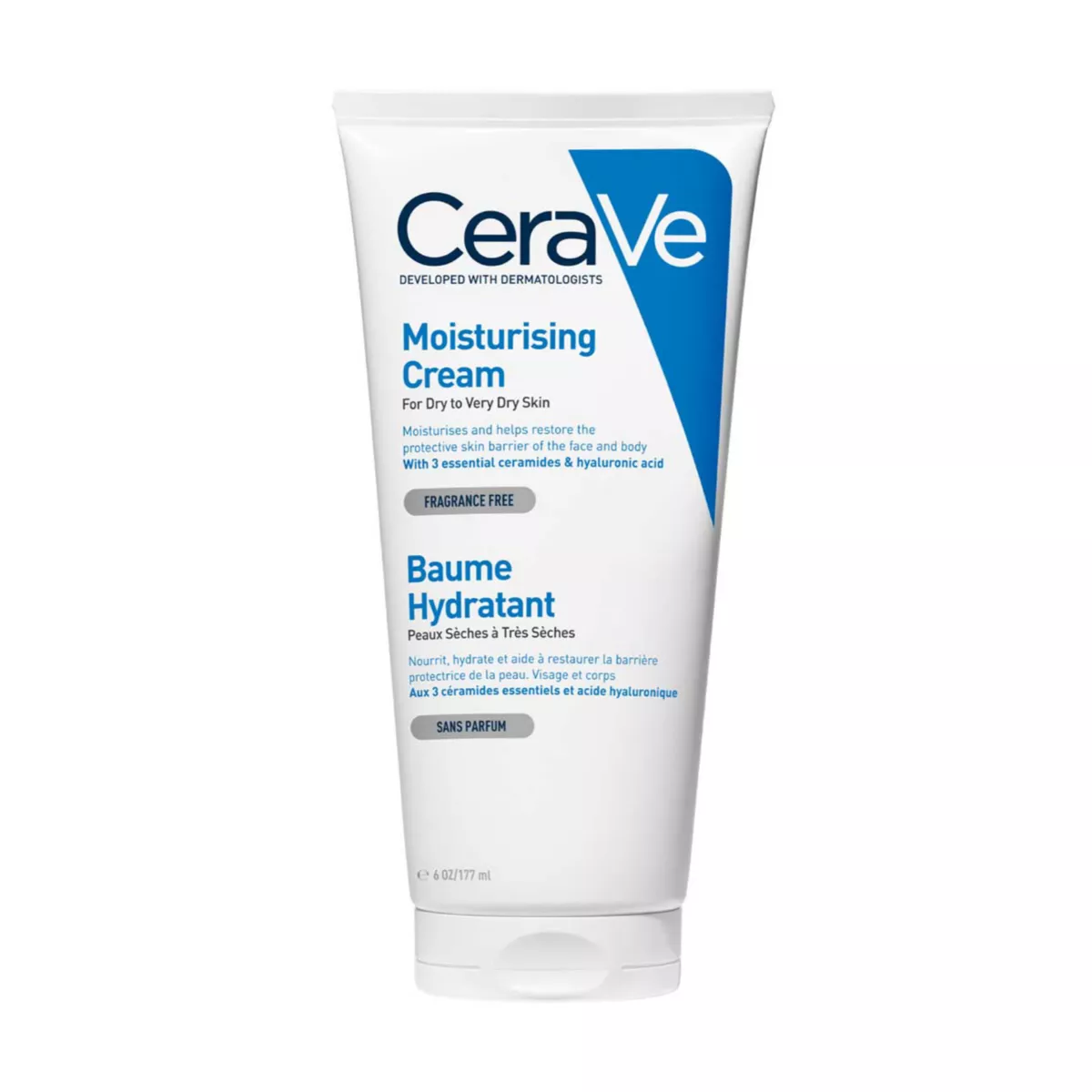
CeraVe’s UK product information lists glycerin, petrolatum, three ceramides, cholesterol and sodium hyaluronate in its Moisturising Cream. It is fragrance-free and positioned for dry to very dry skin. That is useful ingredient and texture context for shoppers who want a straightforward emollient moisturiser, but it does not decide whether the rich cream format will suit every face, climate or daytime sunscreen combination.
At the time checked, Boots listed the 177ml tube at £12, or £67.80 per litre, alongside retailer-specific delivery and promotion details. That gives you a transparent benchmark when comparing a tub, tube, multi-buy or another retailer—not a reason to buy several tubes blindly. A larger pack usually makes most sense when it will be used on face and body, shared in a household, or repurchased regularly.
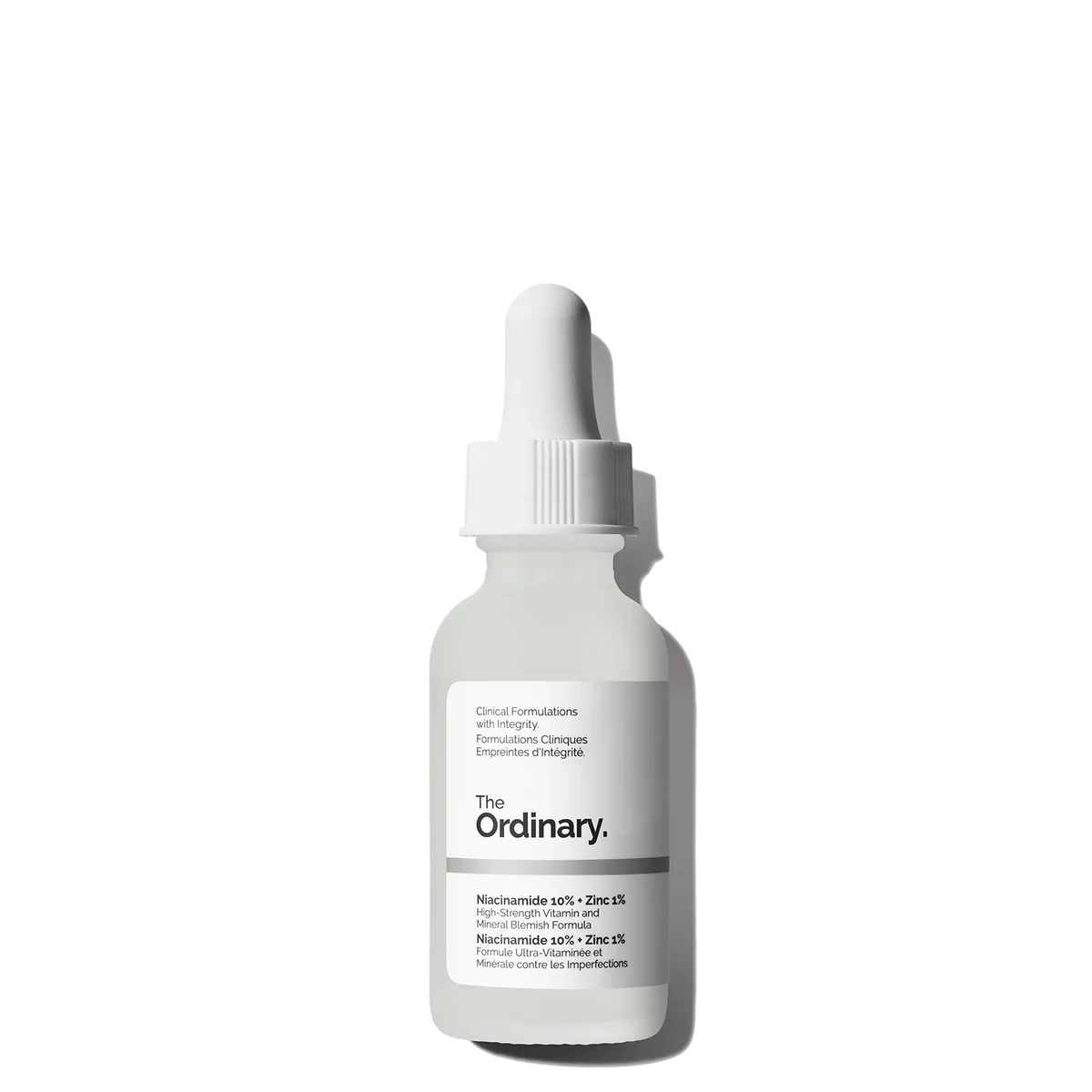
For an oilier or congestion-prone routine, The Ordinary’s Niacinamide 10% + Zinc 1% is a different kind of decision. The brand describes it as a water-based serum with niacinamide and zinc PCA, intended for concerns including excess oil and uneven texture. A discounted active can be tempting, but a 10% serum is not automatically the missing step in every routine—especially if your skin is already stinging from acids, retinoids, or over-cleansing.
Check the CeraVe product details and current retailer price and read The Ordinary’s formula information before you compare deals. Verify the ingredient list on the UK pack you will receive, because formulas and availability can vary by market and change over time. Our niacinamide versus vitamin C guide can help decide whether this type of serum belongs in your routine at all.
When to buy now, wait, or leave the deal
| Decision | Buy now when | Wait when | Leave it when |
|---|---|---|---|
| Basic moisturiser | You have finished it before, the format suits you, and the larger size genuinely lowers the unit cost. | You are unsure about texture, need a patch test, or the saving requires unwanted extras. | It feels heavy, breaks your routine, or you already own enough similar moisturiser. |
| Barrier balm | You have a clear targeted use and tolerate richer protective textures. | You are deciding between a small trial size and a large backup. | You are trying to self-treat persistent or severe skin symptoms instead of seeking appropriate care. |
| Active serum | You know the active’s role and will introduce it without stacking other new actives. | Your skin is currently irritated, or you do not know the current formula. | The purchase is driven only by a sale, a trend, or fear of missing out. |
| Sunscreen | You can use it comfortably at the correct amount and reapply it. | You have not checked finish, eye sting, cast, or return terms. | You are buying it solely because it is discounted but avoid wearing it. |
For sunscreen, value is particularly tied to use. A less expensive product that sits unused because it stings the eyes or leaves an unacceptable cast is not a saving. Compare finish, reapplication comfort and routine compatibility in our daily facial sunscreen guide before committing to a multipack.
A low-waste UK skincare deal checklist
Before placing an order, run through these questions:
- Does this replace a product I already finish, or am I inventing a new step?
- Have I checked the current UK ingredient list and size?
- Is the per-100ml or per-use price actually lower?
- Does the offer require a card, code, account sign-in, minimum spend or selected line?
- Will delivery fees, a bundle filler, or an excluded item remove the saving?
- Can I introduce this without changing three other products at once?
- Do I know the retailer’s current returns and availability terms?
- Would I still buy this at its normal price soon enough to use it?
If you cannot answer most of these with confidence, waiting is often the better deal. Skincare value comes from a boring but useful pattern: fewer suitable products, used consistently, with a clear reason for each one.
FAQ
Are UK skincare deals cheaper online than in store?
Sometimes, but not reliably. Online offers can require an account, linked loyalty card, code, minimum spend or selected products. In-store availability and prices can also differ. Compare the final checkout total, including delivery and any qualifying conditions, rather than assuming the headline offer applies everywhere.
Is it worth buying a larger skincare size when it is discounted?
Only if you already know the product suits your skin and routine. Divide the price by the size to compare unit cost, then consider how quickly you use it and whether its texture or active ingredients make it realistic to finish. Larger basic moisturisers are usually easier to justify than unfamiliar active serums.
Should I stock up on active skincare during a sale?
Be cautious. Buying several bottles of an active before you know your tolerance can create waste and make irritation harder to troubleshoot. Start with one product, introduce it gradually, and avoid adding multiple new acids, retinoids or potent serums at the same time.
Do loyalty points make a skincare deal worthwhile?
They can, but points are not an automatic discount. Check how and when they are earned, whether the offer excludes your products, and whether you would otherwise spend enough to use them. Do not add unsuitable products merely to trigger points or a threshold.
How can I tell whether a skincare deal is still current?
Use the retailer’s live product page and terms page immediately before checkout. Confirm dates, code restrictions, stock, account requirements, delivery cost and whether the offer applies to the specific size or variant you selected. Treat any older article, social post or email as a lead, not proof.
Source notes
- Boots Advantage Card terms and Price Advantage conditions
- Boots beauty and skincare offers page
- La Roche-Posay UK: Cicaplast Baume B5+ product page
- CeraVe UK: Moisturising Cream ingredient information
- The Ordinary: Niacinamide 10% + Zinc 1% product information
Title Candidates
- UK Skincare Deals Guide: Save on Products Your Routine Can Actually Use
- Before You Buy the Offer: A Smarter UK Skincare Deals Checklist
- 8 Questions That Stop a Skincare Deal Becoming Bathroom-Cabinet Waste
- UK Skincare Savings Without the Multi-Buy Mistakes
- Why a Bigger Skincare Discount Can Cost More Than You Think