AI-generated illustration — not a retailer product photo.
Searching for the best face serums by skin goal can leave a bathroom shelf full of bottles that all promise hydration, brightness, smoother texture and a stronger barrier. The harder—and more useful—question is not which bottle claims the most. It is which single formula addresses the main job your current routine is not already doing.
Our view: the best face serum is the one with a clear role, a tolerable formula and a realistic place between cleansing and moisturising. This shortlist matches four products to four different goals. It does not treat them as interchangeable winners, and it does not assume that more actives produce better skin.
Our desk reviewed current UK brand pages, published ingredient lists, use directions, packaging and prices on 10 July 2026. We did not conduct hands-on testing, so texture and tolerance comments are formula-based editorial judgements rather than first-person claims. Read more about how Dave Roberts reviews skincare and who is behind the desk.
Affiliate disclosure: Dave Roberts may earn a commission if a retailer link is added or used, at no extra cost to you. Commercial relationships do not change the selection criteria. See our affiliate disclosure.
Best face serums by skin goal: the quick comparison
AI-generated illustration — not a retailer product photo.
| Skin goal | Shortlist pick | Formula signal | Main tolerance question | Packaging and value context |
|---|---|---|---|---|
| Dehydration and a tight feel | CeraVe Hydrating Hyaluronic Acid Serum | Glycerin, fatty emollients, ceramides, sodium hyaluronate and cholesterol | Could the gel-cream feel redundant under a rich moisturiser? | Opaque pump; official UK page did not show a direct price when checked |
| Visible shine and uneven texture | The Ordinary Niacinamide 10% + Zinc 1% | 10% niacinamide with zinc PCA in a water base | Is 10% niacinamide more than your skin comfortably needs? | Dropper bottle; 30ml listed from £5 on the UK page |
| Dehydrated, unsettled barrier | La Roche-Posay Cicaplast B5 Serum | 10% panthenol, glycerin, dimethicone and sodium hyaluronate | Alcohol denat. appears high in the ingredient list | Dropper bottle; 30ml listed at £42 |
| Fine lines and uneven texture for established vitamin A users | Medik8 Crystal Retinal 6 | 0.06% retinaldehyde in a staged strength range | Retinoid dryness, peeling and irritation | Opaque pump tube; listed at £69 |
Prices are snapshots, not promises. Promotions, retailer pricing and formula lists can change. Check the product box and current checkout before buying.
How we chose these face serums
AI-generated illustration — not a retailer product photo.
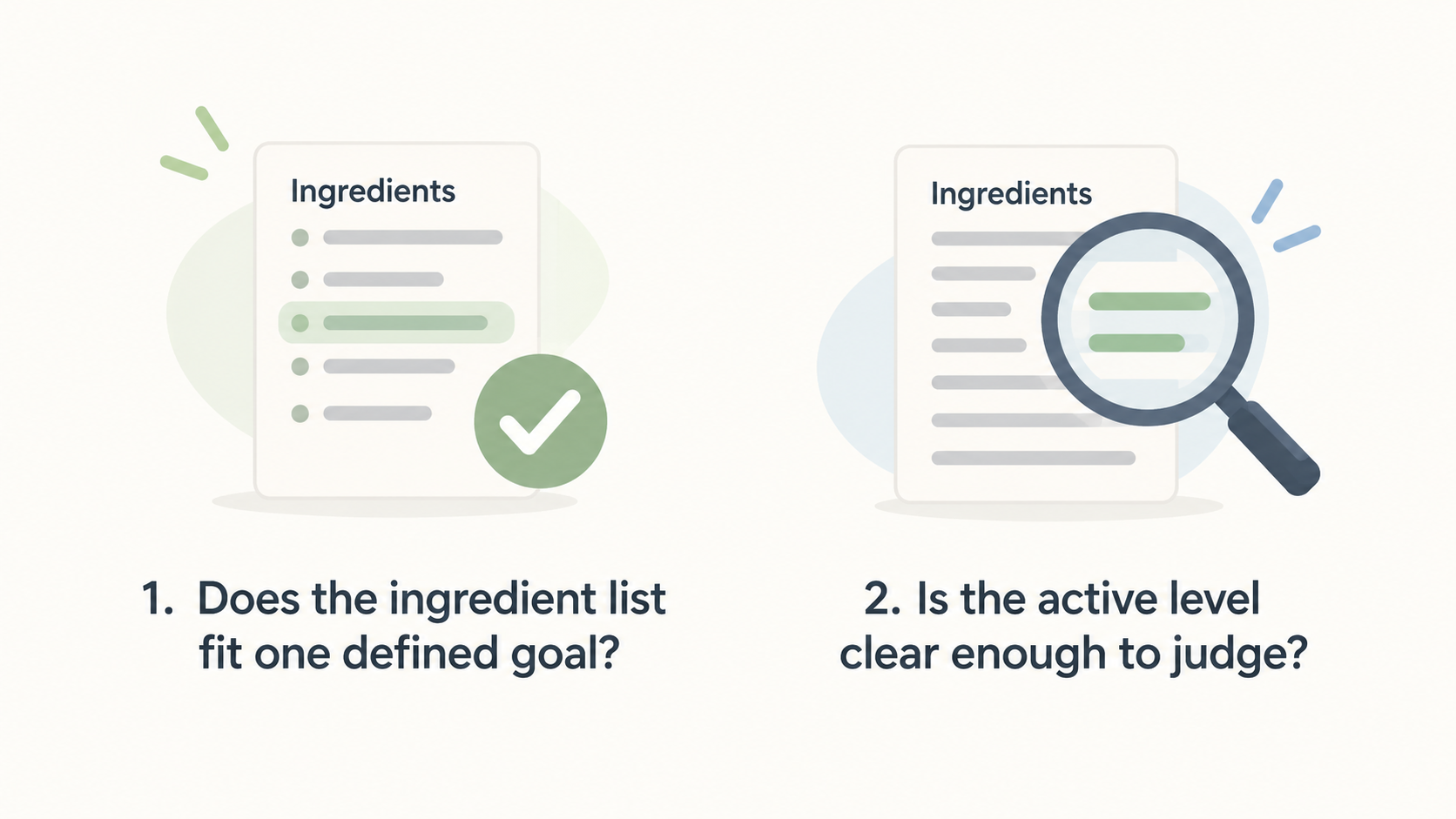
A useful shortlist needs more than four popular names. We assessed each serum against five questions.
First, does the ingredient list fit one defined goal? A hydrating serum should supply humectants and supportive emollients; an oil-control option should not be presented as acne treatment; a retinal serum belongs in a texture and photoageing discussion, not a generic “glow” bucket.
Second, is the active level clear enough to judge? The Ordinary states 10% niacinamide, La Roche-Posay states 10% panthenol, and Medik8 publishes a retinal strength ladder. CeraVe does not disclose percentages for its highlighted ingredients, so it is assessed as a complete hydrating formula rather than a high-strength active.
Third, what could make someone stop using it? Stinging, dryness, pilling and redundancy matter because an abandoned serum offers no value. Fourth, does the packaging suit the formula? Opaque pumps reduce repeated air and light exposure, while droppers need cleaner handling. Finally, does the price make sense for the role? We favour one purposeful serum over stacking several overlapping bottles.
This is buyer guidance, not medical advice. Persistent inflammation, painful acne, a spreading rash or suspected allergy deserves professional assessment rather than another cosmetic active.
The four serum picks, with the trade-offs that matter
1. CeraVe Hydrating Hyaluronic Acid Serum — for dehydration and a tight feel
CeraVe’s serum is the least treatment-like product here. Its current official UK ingredient list starts with water and glycerin, then includes fatty alcohols, triglyceride, petrolatum, three ceramides, dimethicone, sodium hyaluronate, cholesterol and phytosphingosine. That makes it closer to a light gel-cream emulsion than a minimalist hyaluronic acid liquid.
The practical advantage is breadth. Humectants help hold water at the surface, while the emollient and occlusive portion can reduce the “wet serum, still tight five minutes later” problem. A review of topical hyaluronic acid literature reports hydration benefits but also shows that outcomes depend on molecular form and formulation; the words “hyaluronic acid” alone do not predict how a finished product will behave (published review).
Routine position: apply to clean skin, then use moisturiser if needed and sunscreen in the morning. The opaque pump is more hygienic than an open jar and protects the formula from repeated handling.
Likely fit: dehydrated normal-to-dry skin, or anyone who wants one cushioning layer beneath moisturiser.
Possible mismatch: very oily skin may find the gel-cream unnecessary, while a rich moisturiser may already provide the same glycerin, ceramide and occlusive functions. If your routine is already comfortable, this can be a duplicate rather than an upgrade.
Value view: the official UK page did not display a direct selling price when checked. Compare authorised retailers, but judge the total routine: replacing two overlapping hydrating steps can be better value than buying the cheapest extra serum.
2. The Ordinary Niacinamide 10% + Zinc 1% — for visible shine and uneven texture
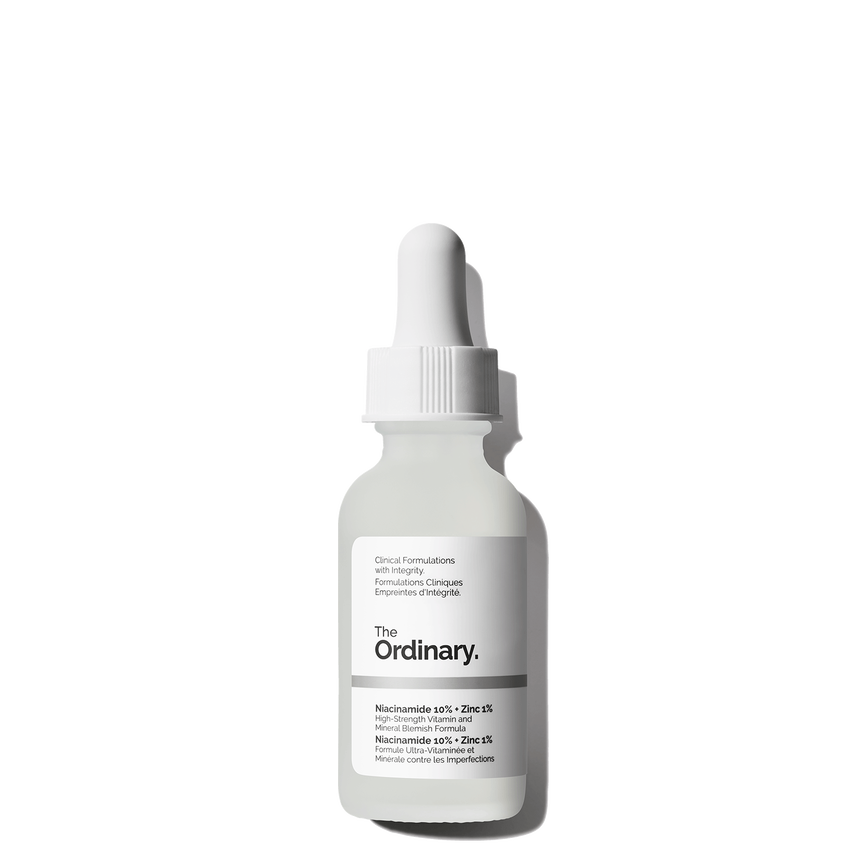
The Ordinary offers the clearest low-cost active proposition in the group. The official product page lists a short, water-based formula led by niacinamide, with zinc PCA and supporting solvents and thickeners. It identifies visible shine, congestion signs, dullness and textural irregularities as target concerns. The 30ml size was listed from £5 when checked.
Niacinamide has a broader evidence base than the product’s price might suggest. A 2024 review describes clinical evidence across barrier support, pigmentation and acne-related uses, while also emphasising delivery and formulation (PubMed review). That evidence supports niacinamide as an ingredient; it does not prove that this specific 10% serum will outperform every lower-strength formula.
Routine position: use a few drops after cleansing and before moisturiser, according to the brand. Starting once daily makes it easier to identify irritation or pilling before moving to more frequent use.
Likely fit: oily or combination skin where visible shine and uneven surface texture are the main cosmetic concerns, especially when budget is tight.
Possible mismatch: 10% is a high headline concentration. Skin that already receives niacinamide from cleanser, moisturiser and sunscreen may not need another concentrated layer. Flushing, itching or persistent stinging is a reason to stop, not a sign that the serum is “working”.
Packaging and value: the dropper gives dose control but exposes the neck of the bottle each time. Do not touch the pipette to skin. The low entry price is compelling, yet value still depends on tolerance; an inexpensive bottle that pills under sunscreen is not a bargain for that routine.
3. La Roche-Posay Cicaplast B5 Serum — for a dehydrated, unsettled barrier
Cicaplast B5 Serum is the most explicitly barrier-positioned formula in this shortlist. La Roche-Posay’s current UK page lists 10% panthenol, alongside glycerin, dimethicone and sodium hyaluronate. It is fragrance-free and sold in a 30ml dropper bottle, listed at £42 when checked.
Panthenol and glycerin make sense in a hydration-focused product, while dimethicone provides slip and a light film. That combination gives the serum a coherent job: support comfort and water retention beneath moisturiser. The brand reports barrier and hydration testing, but its one-hour claim came from an instrumental test of 25 subjects. We treat that as brand-specific evidence, not a guarantee that irritated skin will recover on a fixed timetable.
Routine position: the brand directs one to two drops morning and evening before moisturiser. A simple cleanser-serum-moisturiser routine is preferable while skin feels reactive; pause exfoliating acids and retinoids rather than asking this serum to compensate for continued overuse.
Likely fit: dehydrated skin that feels tight or easily unsettled and wants a lightweight support step rather than a heavy balm.
Possible mismatch: alcohol denat. appears fourth on the published ingredient list. Many people tolerate formulas containing it, but a reader who already knows alcohol-rich products sting should not ignore that placement merely because the product is marketed for sensitive skin. Patch testing is particularly sensible here.
Packaging and value: the dropper is easy to dose, though less protective from handling than an airless pump. At £42 for 30ml, this is the hardest value decision in the group. It makes more sense as a deliberate replacement for multiple calming essences than as an extra layer added to an already long routine.
4. Medik8 Crystal Retinal 6 — for fine lines and uneven texture, if vitamin A is already familiar
Crystal Retinal 6 is not a beginner hydration serum. It is a 0.06% retinaldehyde night product for people who already tolerate vitamin A and want to address visible fine lines, uneven texture and pigmentation. Medik8’s official product page listed this strength at £69 and positioned Crystal Retinal 3 below it for beginners.
The distinction matters because retinaldehyde is a retinoid, not simply another antioxidant. DermNet notes that topical retinoids can help photoageing and pigmentation but can also cause dryness, irritant dermatitis and photosensitivity (DermNet guidance). The American Academy of Dermatology advises avoiding over-the-counter retinoid skincare during pregnancy and discussing the routine with a clinician (AAD pregnancy guidance).
Routine position: use at night after cleansing, then moisturise. Medik8 advises phasing application in gradually and using sunscreen the following morning. We would not combine it initially with exfoliating acids or another retinoid; change one variable at a time.
Likely fit: an established retinoid user seeking a clearly labelled intermediate strength in opaque pump packaging.
Possible mismatch: beginners should look at a lower strength rather than treating irritation as a necessary initiation. Skip during pregnancy, seek individual advice while breastfeeding, and pause if eczema or a damaged barrier is active. A cosmetic serum is also not a substitute for prescribed acne care.
Packaging and value: the opaque pump is the most appropriate package in this group for a light-sensitive active and gives consistent dosing. The £69 price is substantial. Its value rests on being the one targeted night treatment, not one of several competing active serums.
Which serum should you choose?
Use the smallest decision tree that solves the real problem:
- Choose CeraVe when the main complaint is dehydration or tightness and you want a cushioning, moisturiser-like serum.
- Choose The Ordinary when visible shine and uneven texture are the priority, budget matters, and your skin tolerates concentrated niacinamide.
- Choose Cicaplast B5 Serum when the routine needs a focused hydrating support step and you have checked that the alcohol-heavy ingredient placement suits you.
- Choose Crystal Retinal 6 only when fine lines or texture are the goal and you already tolerate a lower or comparable vitamin A strength.
If two descriptions sound relevant, start with the more basic need. Dehydrated, stinging skin is a poor platform for a new retinoid. Stabilise the routine first, then reassess whether a treatment serum is still necessary.
For adjacent decisions, browse our ingredient and routine guides, head-to-head skincare comparisons, evidence-led value checks and skin-goal shortlists. These are live hub pages; this is the first formal article in the new content batch, so we have not invented links to articles that do not yet exist.
How to add a serum without crowding your routine
Keep the baseline recognisable: gentle cleanser, one serum, moisturiser and daytime sunscreen. Introduce the serum on its own and keep the rest stable. Patch testing cannot predict every reaction, but it can reveal immediate incompatibility before full-face use.
Use less than marketing imagery suggests. A thin, even layer is enough for most serum formats. Applying more raises cost and can increase pilling or irritation without establishing better results. Let each layer settle before the next, particularly under sunscreen.
Review the decision after several weeks, not several hours, unless irritation appears. Hydration and surface comfort may change quickly; pigment, fine lines and texture usually require consistent use and cannot be judged from one application. If the goal is not moving, do not automatically add a second active. Recheck adherence, sunscreen, moisturiser fit and whether the original goal needs medical rather than cosmetic care.
FAQ
Which face serum is most useful for beginners?
A hydrating serum is generally easier to place than a high-strength active. CeraVe’s option combines humectants with emollient and barrier-supporting ingredients, but it may be unnecessary if your moisturiser already does the same job. Beginners should choose by a missing routine function, not by the number of trending ingredients.
Can I use niacinamide and a retinal serum together?
Many routines can accommodate both ingredients, but starting them together makes irritation difficult to trace. Use niacinamide in the morning and retinal at night, or alternate days, after confirming each product is tolerated alone. Do not let a “supporting” serum justify moving up retinal strength too quickly.
Is hyaluronic acid enough for dry skin?
Hyaluronic acid is a humectant, not a complete answer to every form of dryness. A formula also needs to work with the rest of the routine. CeraVe includes emollient and occlusive components, yet very dry skin may still need a moisturiser over it. Persistent cracking, itching or inflammation warrants professional advice.
How long should I try a face serum before deciding?
Comfort and surface hydration can be assessed relatively quickly, while changes in fine lines, pigmentation or texture take longer. Use the brand directions consistently and photograph under similar lighting if you want to compare. Stop earlier for sustained burning, swelling, hives, worsening rash or significant peeling.
Do expensive serums work better?
Price does not establish efficacy. Cost can reflect packaging, formulation work, retail margin or brand position. The Ordinary is the lowest-upfront-cost option here; Medik8 has clearer retinal strength and protective packaging. The useful comparison is price against a specific routine role, tolerance and likelihood of consistent use.
The bottom line
A serum earns its place by making the routine clearer, not busier. For dehydration, start with supportive hydration. For shine, use niacinamide only if the concentration suits you. For barrier discomfort, remove the aggravating step before buying a rescue bottle. For retinal, respect strength and time.
Choose one goal, one formula and one review date. That discipline is less exciting than a shelf full of actives—and far more useful.
Title Candidates
- Best Face Serums by Skin Goal: 4 Evidence-Led Picks
- 4 Face Serums Compared for Hydration, Shine and Texture
- One Serum, One Goal: A Practical UK Skincare Shortlist
- Before You Add Another Active, Compare These 4 Serums
- Face Serum Guide: Match the Formula to Your Skin Goal
Sources
- CeraVe Hydrating Hyaluronic Acid Serum: official UK formula and directions
- The Ordinary Niacinamide 10% + Zinc 1%: official UK formula, price and directions
- La Roche-Posay Cicaplast B5 Serum: official UK formula, price and directions
- Medik8 Crystal Retinal: official UK strengths, prices and directions
- DermNet: topical retinoid uses, precautions and adverse effects
- PubMed: 2024 review of niacinamide delivery and clinical evidence
- PMC: review of topical hyaluronic acid and skin quality evidence
- American Academy of Dermatology: pregnancy skincare guidance