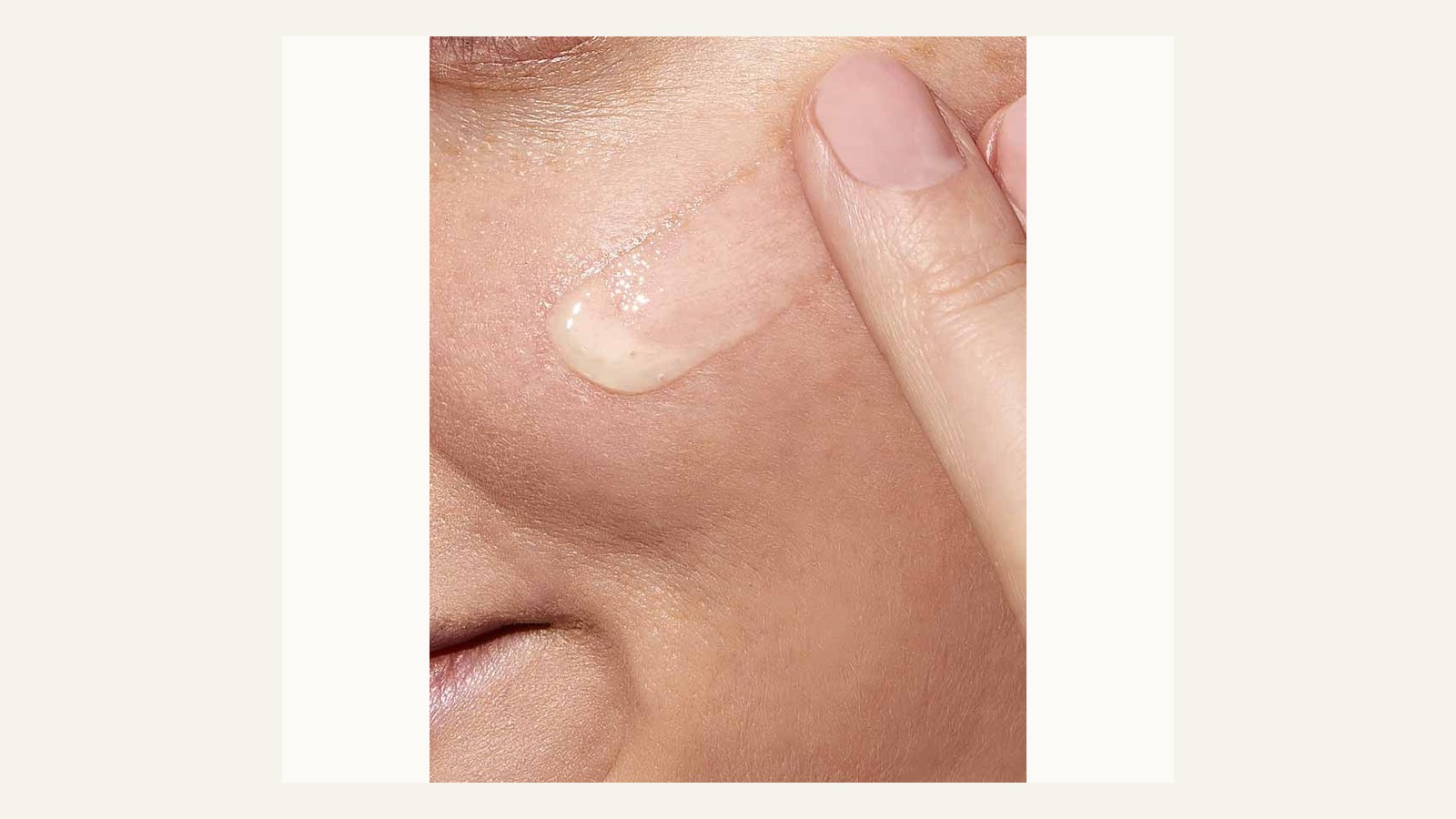
Retinol is easy to buy and surprisingly easy to overdo. A new serum arrives, the label promises smoother-looking skin, and suddenly the routine contains retinol, an exfoliating toner, a scrub and a vitamin C product all in the same week. The result is often a red, tight face and no useful answer to the question that mattered: was the retinol actually a good fit?
A beginner retinol routine should be deliberately boring at first. The goal is not to find the highest percentage or to recreate somebody else’s seven-step evening. It is to give one vitamin-A-derived ingredient enough room to show whether your skin can use it comfortably. The American Academy of Dermatology notes that retinol is an over-the-counter retinoid used for concerns including uneven tone, pigmentation and texture, but also recommends starting slowly and using moisturiser to help reduce irritation.
This is editorial skincare guidance, not a diagnosis or a prescription. Read our editorial policy and about page for how this desk assesses formulas, source limits and commercial relationships.
The routine to build before choosing a stronger retinol
For the first month, a retinol routine needs three reliable pieces:
- a gentle cleanser;
- one retinol product;
- a moisturiser you already know your skin tolerates.
In the morning, add broad-spectrum sunscreen. Retinoids can increase sun sensitivity, and the AAD advises night-time use plus sun protection during the day. That makes a dependable SPF a routine requirement, not a bonus step. If you still need one, compare finish, wearability and skin feel in our guide to facial sunscreens for daily wear.
A practical starting schedule looks like this:
| Week | Retinol nights | What stays the same |
|---|---|---|
| 1-2 | One non-consecutive night each week | Gentle cleanse, moisturiser, daytime SPF |
| 3-4 | Two non-consecutive nights if skin is comfortable | Keep acids and scrubs off retinol nights |
| 5 onward | Consider every other night only if there is no persistent burning, marked redness or peeling | Maintain SPF and barrier support |
“Comfortable” does not mean chasing a tingle. It means the skin is broadly settled between applications. A little temporary dryness can happen, but persistent stinging, swelling, rawness or a rash is a reason to stop and seek professional advice rather than push through.
Choose by routine fit, not by a percentage race
Percentages can be useful when a brand clearly discloses them, but they are not a universal league table. Packaging, the wider formula, the amount applied, how often it is used and your existing routine all affect the experience. The AAD also notes that over-the-counter retinol percentages are not universally required to appear on labels.
For a first purchase, look for a formula that solves a specific routine problem:
- Dry or barrier-conscious skin may prefer a formula with an emollient base or barrier-supporting ingredients.
- Blemish-prone skin with post-acne marks may prioritise a lighter serum and a simple routine around it.
- People who are already sensitive to fragrance or alcohol should read the full ingredient list, not just the headline active.
- Anyone already using a prescription retinoid should not casually add an over-the-counter retinol; ask the prescriber or pharmacist first.
The following are product examples, not a claim that one formula is universally right. Prices were checked on the linked UK brand pages on 12 July 2026 and can change.
Three product starting points with different trade-offs
1. CeraVe Resurfacing Retinol Serum: a barrier-oriented option for post-acne-mark concerns
CeraVe Resurfacing Retinol Serum is positioned by the brand for the appearance of post-acne marks and uneven-looking tone. Its official ingredient information lists retinol, niacinamide, hyaluronic acid and three ceramides; CeraVe describes the retinol as encapsulated and advises starting with a small amount once weekly, then building only as tolerated.
That makes it a practical format to consider if your main concern is marks after breakouts and you want barrier-focused supporting ingredients in the same product. It is not automatically irritation-proof: retinol remains an active ingredient, and “suitable for sensitive skin” is not a guarantee of universal tolerance.
Use case: someone with blemish-prone skin who wants a lightweight evening serum and already owns a plain moisturiser. Keep the first few weeks free from leave-on acid exfoliants. For a separate active-ingredient decision, see our AHA vs BHA vs PHA guide.
2. The Ordinary Retinol 0.2% in Squalane: a disclosed low-strength, oil-based format
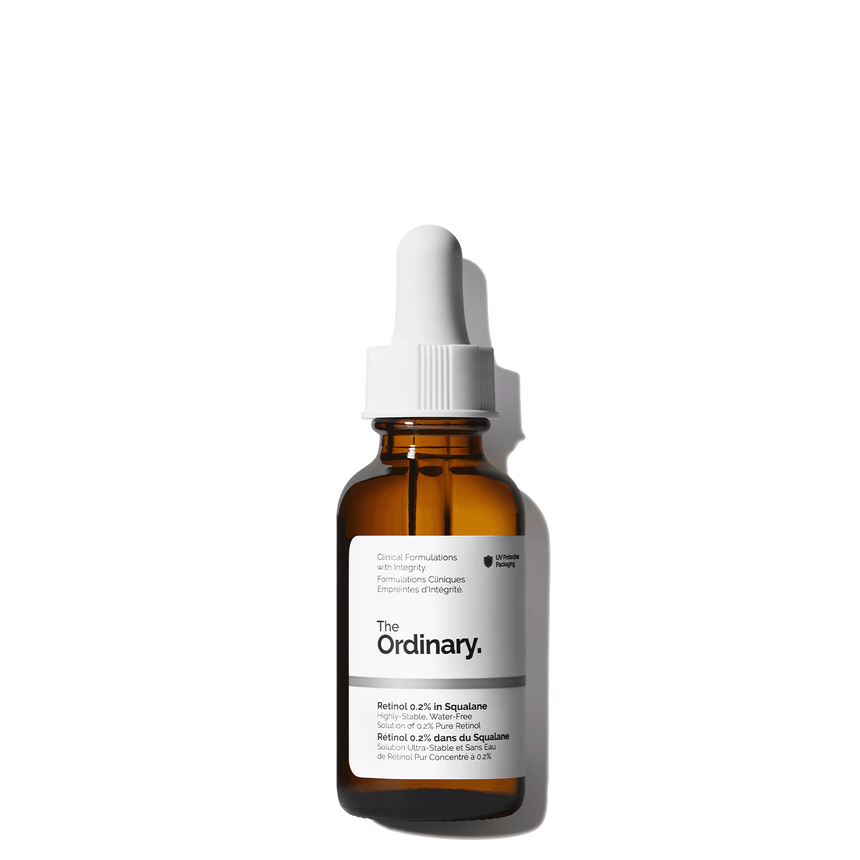
The Ordinary Retinol 0.2% in Squalane clearly discloses 0.2% retinol and was listed at £7.40 for 30 ml when checked. The brand describes it as a water-free, entry-level formula in a squalane base, and says to work gradually upward only if needed. Its product page also says the opened formula should be refrigerated and used within three months.
The low disclosed percentage can make the choice easier to understand, but the oil-based texture is the more important practical distinction. It may suit someone whose skin feels dry and comfortable with facial oils; it may be less appealing if you dislike an emollient finish or want to layer several water-based products.
Use case: a dry-skin beginner who values a simple, disclosed starting point and can follow the storage guidance. Do not combine it with another retinoid. If your existing serum routine is the real question, read our serums by skin goal guide before adding more actives.
3. La Roche-Posay 0.3% Retinol + Vitamin B3 Serum: a higher-priced, fragrance-containing option
La Roche-Posay 0.3% Retinol + Vitamin B3 Serum lists 0.3% retinol, glycerin and vitamin B3, and was shown at £48 for 30 ml on the UK brand page when checked. The brand recommends beginning at one to two uses a week and using SPF during the day.
This is the more expensive option in this small set, so the value question is not simply “is 0.3% stronger?” The formula contains niacinamide and glycerin, but the current ingredient list also includes fragrance and alcohol denat. If you know either has been a problem for your skin, that is relevant before you buy. The brand’s own instructions still start slowly, which is a useful reminder that a higher disclosed percentage is not an invitation to use it nightly from day one.
Use case: someone who prefers a lightweight serum texture, accepts the price, and has no known issue with the listed fragrance or alcohol-containing formula.
A simple evening order that leaves room to observe your skin
On a retinol night, cleanse gently and let the skin dry. The NHS advises applying topical retinoids sparingly and, for prescription topical retinoids, around 20 minutes after washing. Over-the-counter product instructions take precedence for the individual formula, but waiting until skin is dry can make the routine easier to keep consistent.
Then use this order:
- Cleanser.
- Retinol product in the amount directed by its label.
- Plain moisturiser.
If your skin is easily irritated, a moisturiser-before-retinol approach can be worth discussing with a dermatologist; the AAD notes that moisturiser first may help reduce irritation with a stronger retinoid. This is often called “buffering” or “sandwiching,” but the important part is not the name. It is reducing variables and observing whether the routine remains tolerable.
On non-retinol nights, use the moisturiser-focused routine. Avoid trying to compensate for “lost progress” with extra acid exfoliation. Our niacinamide vs vitamin C comparison can help you decide which daytime active belongs in a separate routine rather than on the same evening.
What not to layer on your first retinol nights
A new retinol routine is not the moment to test every active at once. For the first several weeks, avoid putting these in the same evening routine unless a clinician has specifically advised otherwise:
- another retinoid, including retinol or prescription retinoic acid;
- a strong AHA, BHA or PHA leave-on exfoliant;
- an abrasive scrub;
- a benzoyl peroxide acne treatment if you have not been advised on the combination;
- a new fragranced treatment product.
This is not because every pairing is permanently forbidden. It is because irritation is easier to prevent than to troubleshoot. If four products change at once, you cannot tell which one caused the reaction or which one is doing useful work.
When retinol is not a self-directed starter project
Skip the experiment and get individual medical advice if you are pregnant, planning pregnancy, breastfeeding, have persistent facial inflammation, a history of severe reactions, significant eczema or rosacea, or moderate-to-severe acne and scarring. The NHS states that topical retinoids are not suitable during pregnancy, and the AAD advises people with substantial redness or inflammation to consult a dermatologist rather than simply start a retinoid.
Also pause if you get severe burning, swelling, blistering, an extensive rash or discomfort that does not settle. Retinol is not meant to prove commitment through damaged skin.
The practical verdict
The useful beginner retinol routine is the one you can repeat without turning your barrier into a recovery project. Start with one product, use it on one or two non-consecutive evenings, moisturise, and wear SPF every day. Choose texture and formula context before fixating on a number.
CeraVe makes sense as a barrier-aware, post-acne-mark-oriented starting point; The Ordinary offers a lower disclosed percentage in a richer squalane base; La Roche-Posay offers a 0.3% serum with vitamin B3, but at a much higher current price and with fragrance in the ingredient list. None removes the need for patience or a plain routine around it.
FAQ
How often should a beginner use retinol?
Start one or two non-consecutive nights a week. Increase only when your skin remains comfortable between uses. The individual brand instructions matter, and both CeraVe and La Roche-Posay recommend a gradual start on their current UK product pages.
Can I use retinol with niacinamide?
Many retinol formulas already include niacinamide, and the two are not automatically incompatible. For a beginner, the better question is whether the total routine is simple enough to identify irritation. Introduce one new active product at a time.
Can I use retinol and exfoliating acids in the same routine?
For a first retinol routine, it is sensible to keep leave-on acids off retinol nights. Once your skin is settled, discuss a schedule with a dermatologist or introduce changes one at a time rather than stacking them.
Do I need sunscreen if I only use retinol at night?
Yes. The AAD and the official product pages used here advise daily sun protection because retinoids can increase sensitivity to UV exposure. Choose an SPF you will actually wear consistently.
Can I use retinol during pregnancy or while planning pregnancy?
Do not start a retinoid-containing skincare product without medical advice. The NHS says topical retinoids are not suitable in pregnancy, and individual brands may also advise avoiding retinoids while breastfeeding.
Sources and disclosure
This article uses product pages and medical guidance rather than first-hand testing. Product details and prices were checked on 12 July 2026 and may change.
- American Academy of Dermatology: Retinoid or retinol?
- NHS: Acne treatment and topical retinoids
- CeraVe UK: Resurfacing Retinol Serum
- The Ordinary UK: Retinol 0.2% in Squalane
- La Roche-Posay UK: 0.3% Retinol + Vitamin B3 Serum
Some product links may support this publication through an affiliate relationship. That does not change the formula, price, risk or suitability criteria used in the article.
Title Candidates
- How to Start a Beginner Retinol Routine Without Wrecking Your Barrier or Chasing a Stronger Percentage
- New to Retinol? A Slow Routine That Lets Your Skin Give You a Useful Answer
- Beginner Retinol Routine: The Two-Night Plan Before You Add More Actives
- Retinol Without the Panic: Choose Your First Formula by Texture, Barrier and Routine Fit
- The Retinol Mistake New Users Make: Treating Irritation as a Sign It Is Working