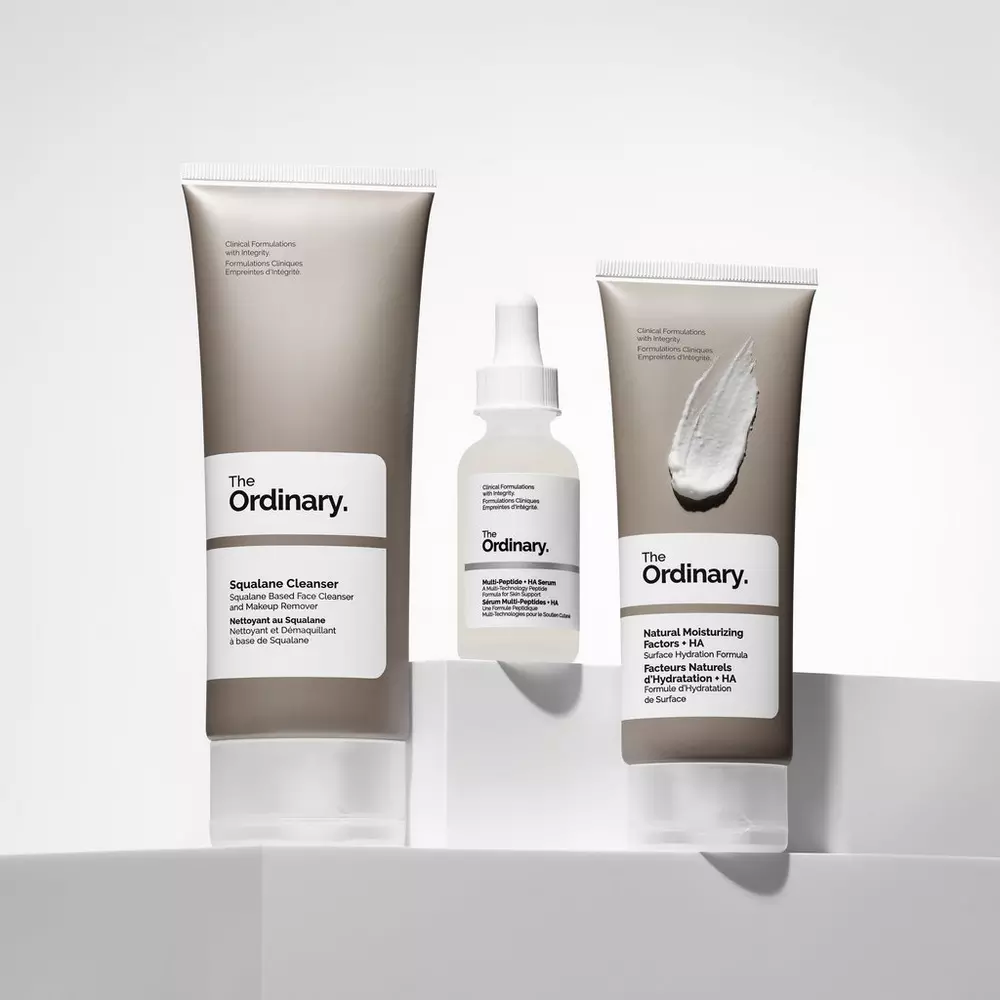
The Ordinary review: how to choose one ingredient-led product
The Ordinary review: an ingredient-led way to choose one product
AI-generated illustration — not a retailer product photo.
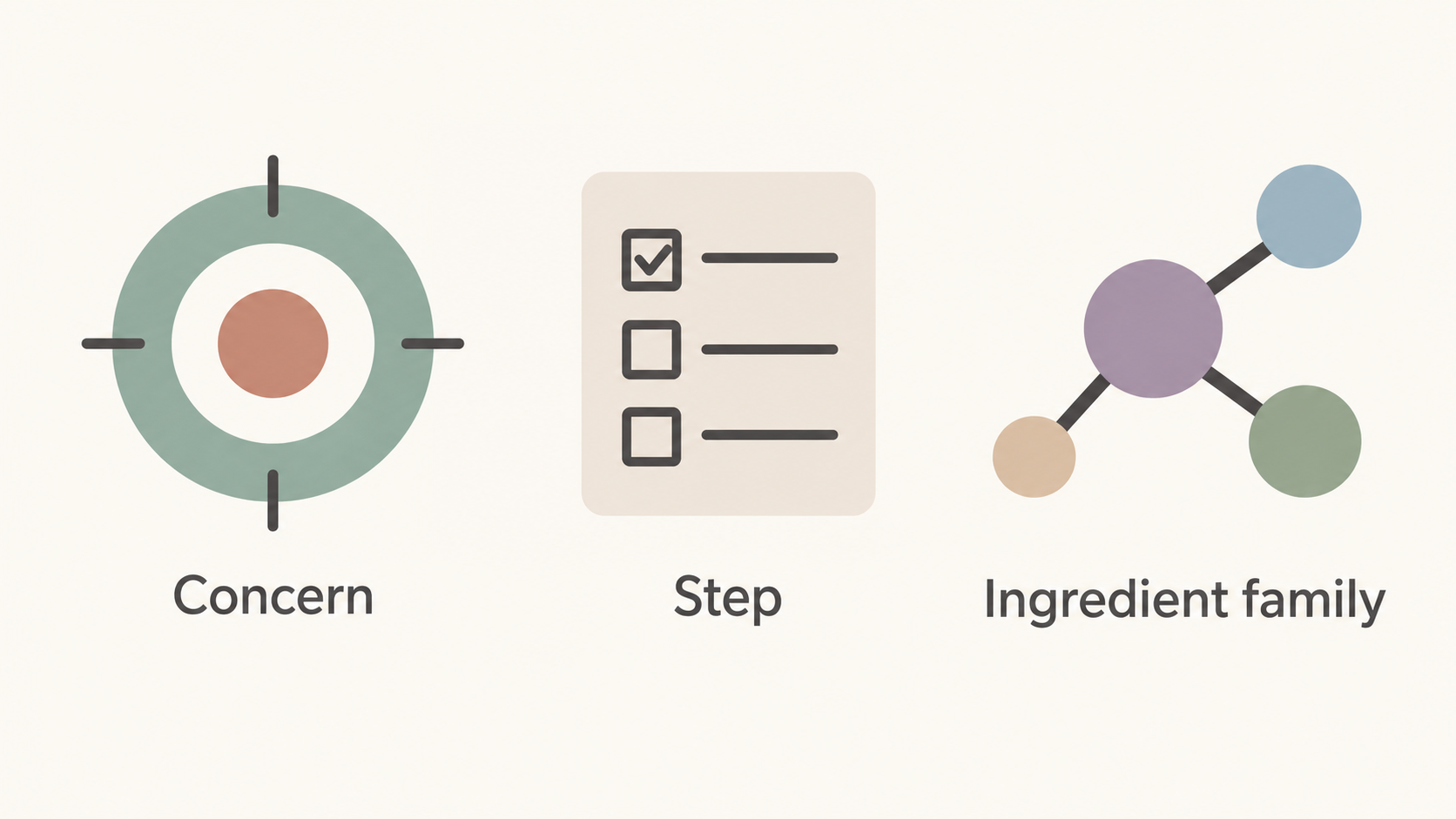
The Ordinary makes more sense as a range to navigate than as a hunt for one universally “best” bottle. For a UK shopper who wants to start with a single product, the useful question is narrower: what is the one concern or routine step you want that product to address? The official UK site presents skincare through several routes, including concern, step and ingredient family, which supports that goal-led approach. (Official source ; Official source)
This is therefore a review of the buying decision, rather than a claim that one formula will suit everyone. It considers the official range structure and the names of specifically evidenced products first. Independent editorial coverage is used only as context for how the range is often perceived: as a no-frills, active-ingredient-led line that has become broad enough to be difficult to compare at a glance. (Independent editorial source ; Independent editorial source)
That distinction matters. A product name can help a shopper build a shortlist, but it cannot establish personal suitability, a result, or a complete routine. If your aim is to buy one item rather than assemble several, begin with one defined goal, then use The Ordinary’s own navigation to identify the relevant category and product page.
Product and service overview
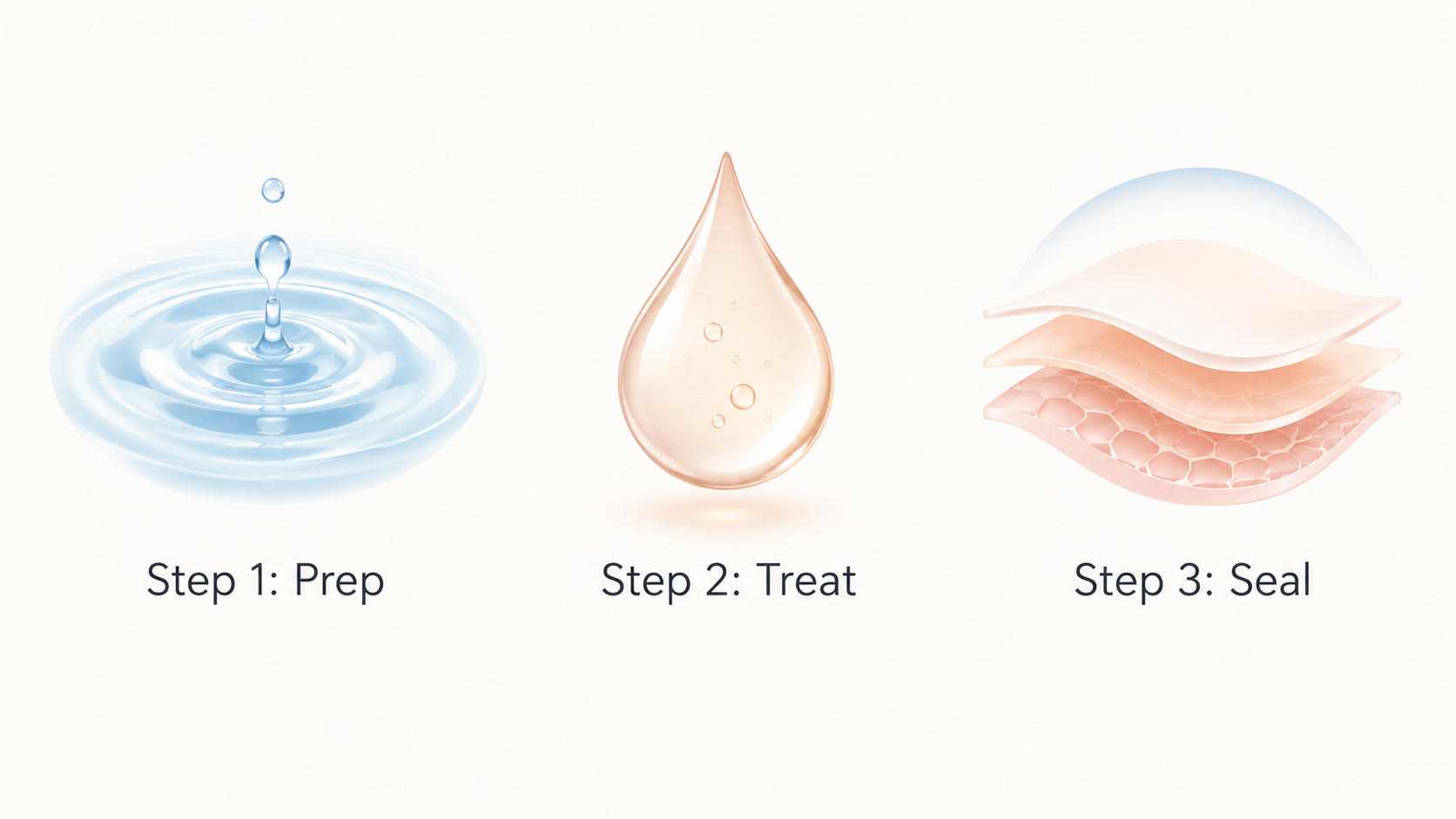
The Ordinary’s UK storefront gives shoppers several entry points. Its skincare menu groups products by concern, including dryness and dehydration, visible shine, signs of congestion, uneven skin tone, barrier support and UV protection. It also groups products by routine step: Step 1: Prep includes facial cleansers and toners or essences; Step 2: Treat includes eye serums, exfoliators, face masques and treatments, serums, and face oils; Step 3: Seal includes moisturisers and suncare. (Official source)
AI-generated illustration — not a retailer product photo.
A further route is ingredient-led. The official navigation lists families including retinoids, vitamin C, direct acids, salicylic acid, niacinamide, hyaluronic acid, peptides, antioxidants and squalane. These are useful filters when you already know the type of product you want to explore, but they do not replace reading the individual product information. (Official source ; Official source)
For a one-product purchase, that breadth is helpful but limiting. You can begin with a goal—such as cleansing, hydration or the appearance of visible shine—and then narrow by routine step. But the official menu represents a full skincare range, rather than a verdict that one item replaces other steps. (Official source ; Official source)
The official site also displays complimentary shipping on UK orders over £25 and carbon-neutral shipping messaging. This confirms a shipping threshold in the supplied snapshot; it does not establish individual product prices, comparative value or a price position against other brands. (Official source)
Choosing a single product by concern and routine step
The most practical way to reduce the range is to decide whether you are shopping for Step 1: Prep, Step 2: Treat, or Step 3: Seal, then use a concern or ingredient filter only to create a shortlist. This is a selection method, not treatment advice: it helps you compare official product labels without promising a particular outcome.
If you want a cleanse-first starting point
Start with the official facial-cleansers category rather than trying to make a treatment serum do the job of a cleanser. The Ordinary explicitly places facial cleansers in Step 1: Prep, while its wider skincare navigation separates them from treatment categories and moisturisers. That makes the cleanser category the clearest entry point for someone whose one purchase is intended to be the cleansing step of their routine. (Official source ; Official source)
This is deliberately a category-level recommendation. The supplied evidence confirms the category and its position in the routine structure, but it does not provide enough product-specific detail to rank individual cleansers or claim which skin type should choose one. A sensible next comparison is between the official cleanser product pages that match the format you are considering, rather than between cleansers and unrelated active-led products.
If visible shine or oil control is your stated concern
The official UK product page identifies Niacinamide 10% + Zinc 1% as an “Oil Control Serum.” The main site also includes “Visible Shine” among its concern routes and lists niacinamide as an ingredient-family route. Together, those official labels make this product a direct item to investigate when your stated goal is an oil-control serum, rather than a general-purpose skincare purchase. (Official source ; Official source)
The important wording is “investigate,” not “will work for you.” The supplied official extract supports the product name and oil-control positioning, but does not establish how it will perform for an individual, whether it should be combined with other products, or whether it is suitable for a particular skin condition. Use its official page to check the product information before deciding, and keep the comparison within the same task: an oil-control serum should be evaluated against other plausible treatment-step options, not against a cleanser or suncare product.
Independent editorial coverage also names Niacinamide 10% + Zinc 1% among products it highlights, but that is an editor’s view rather than an official performance guarantee. It can be useful as a signal that the item is commonly discussed; it should not turn an editorial preference into a personal recommendation. (Independent editorial source ; Independent editorial source)
If hydration is your stated concern
The official UK product page identifies Hyaluronic Acid 2% + B5 (with Ceramides). The UK navigation separately lists “Dryness & Dehydration” as a concern and hyaluronic acid as an ingredient family, so this is a clearly named product to place on a hydration-focused shortlist. (Official source ; Official source)
Again, the product name and the site’s navigation are the supported facts. They help a shopper distinguish a hydration-oriented serum example from an oil-control example or a cleanser-first purchase. They do not prove that the product will resolve dryness for every user, replace a moisturiser, or provide a result on a particular timetable. If you only want one product, be precise about what you are choosing: a hydration serum is a treatment-step product, whereas the official site places moisturisers in Step 3: Seal. (Official source ; Official source)
Use labels to narrow, then stop before overbuilding a routine
A simple decision path is:
- Name one goal in plain language, such as “I want a cleanser,” “I am comparing an oil-control serum,” or “I am comparing a hydration serum.”
- Select the matching official route: concern, routine step or ingredient family.
- Keep only products that belong to the job you named.
- Read the official product page for the remaining candidate rather than assuming that an ingredient word settles the choice.
This approach keeps a one-product purchase manageable. It also avoids an easy mistake: treating a large ingredient menu as a requirement to buy multiple actives. The Ordinary’s own structure shows that products occupy different routine roles. A shopper who wants one product can make a clearer decision by choosing one role first and declining to turn the search into a complete regimen. (Official source ; Official source)
Strengths
The strongest part of The Ordinary’s shopper proposition is the clarity of its organising idea. Official navigation offers entry points by concern, routine step and ingredient family, so you can begin with your own question rather than a single undifferentiated catalogue. The separation of cleansers, treatment products, moisturisers and suncare is particularly useful when you want one purposeful purchase rather than a broad routine. (Official source ; Official source)
The supplied official product names also provide concrete shortlist labels. “Niacinamide 10% + Zinc 1% Oil Control Serum” identifies an oil-control serum example, while “Hyaluronic Acid 2% + B5 (with Ceramides)” identifies a separate hydration-oriented product name. The names do not prove effectiveness, but they give you a clearer comparison starting point than broad category language alone. (Official source ; Official source)
Independent editorials describe the brand as no-frills and ingredient-centred, while also noting that its wider range can involve overlapping functions and technical jargon. Together with the official navigation, this suggests that the appeal is not necessarily having few choices; it is being able to approach a specific product type through an explicit label and role. (Independent editorial source ; Independent editorial source)
For a single-product shopper, the advantage is goal-led selection: decide whether your immediate aim is a cleanser, an oil-control serum or a hydration-oriented product, then read the official page for that one item. The supplied evidence supports this navigation approach, but not claims that any product is objectively superior or universally suitable.
Limitations
AI-generated generic editorial illustration — not a retailer product photo and does not depict the reviewed product or service. Help readers compare single-product selection with a broader routine without ranking products.
 The same breadth that makes the range flexible can make it harder to choose from. Independent editorial coverage characterises The Ordinary as a large line with products that can have overlapping functions and technical jargon. That is a reasonable caution for shoppers who want a fast, curated answer rather than a product-by-product comparison. (Independent editorial source)
Official navigation helps organise the decision, but it cannot remove every ambiguity. A shopper may see the same concern approached through an ingredient family, a treatment type and a routine step. For example, a serum sits in the treatment area, while moisturisers appear in Step 3: Seal. The labels clarify that these are different roles; they do not establish that one is a replacement for the other. (Official source)
There is also a limit to what the supplied evidence can say about personal outcomes. Product names, concern labels and independent editorial opinions do not establish individual suitability, results, compatibility with an existing routine, or the best choice for a medical or dermatological concern. This review therefore does not offer treatment instructions, patch-testing guidance or a prediction of how a particular formula will perform for you.
Price is another evidence boundary. The supplied official material confirms complimentary shipping on orders over £25 in the UK snapshot. It does not show enough individual-item price information to assess price visibility, compare products with each other, or make a verified affordability or value judgement. Independent articles describe the brand as low priced or affordable, but those descriptions are editorial context and should not substitute for checking the current product page before purchase. (Official source ; Official source)
Alternatives
There are two sensible alternatives to forcing a quick choice from the whole range.
First, stay within The Ordinary but choose a different official route. If your immediate need is cleansing, start with the facial-cleansers category rather than comparing it with serums. If you want a treatment-step product, narrow by concern or ingredient family, then compare only official pages that fit that role. For a sealing step, the official site places moisturisers and suncare in Step 3. This is a way to match one product to the job you want it to do, not a claim that one category is better. (Official source ; Official source)
Second, use a curated editorial framework if you do not enjoy navigating technical names. The supplied articles discuss and rate selected products, which may help identify possible starting points. They remain editorial viewpoints with their own selection criteria, commercial disclosures and publication dates, so read them alongside—not instead of—the official UK product information. (Independent editorial source ; Independent editorial source)
Neither route supports a claim that a competitor is cheaper, more effective or more available. The supplied evidence does not establish those comparisons; the practical choice is between an official self-directed shortlist and an editorially curated starting point.
Verdict
The Ordinary is a good fit for the UK shopper who is comfortable making a narrow, ingredient-led decision: identify one concern or routine step, then use the official site to find the matching category and product page. Its range structure supports that process through concern, routine-step and ingredient navigation, and the supplied product evidence gives two clear treatment examples: Niacinamide 10% + Zinc 1% for an oil-control-serum shortlist and Hyaluronic Acid 2% + B5 (with Ceramides) for a hydration-oriented shortlist. A facial cleanser is the clearer starting point when cleansing is the role you want your one purchase to fill. (Official source ; Official source ; Official source)
It is less naturally suited to someone seeking a single, all-purpose recommendation with no comparison work. Independent editorial commentary supports the view that the expanding, technical range can be confusing, and the supplied evidence cannot establish that a product name or an editorial favourite will suit every individual. (Independent editorial source)
On price, the evidence supports only one UK-specific operational fact: the official site snapshot states complimentary shipping on orders over £25. It does not establish individual item-price visibility, price transparency, product-to-product price comparisons, or a conclusion about value or affordability. Treat that as a boundary of this review, and check the current official product page for the candidate you have selected.
The practical conclusion is conditional rather than universal: choose The Ordinary when you can name one goal and one routine role, and when you are willing to read the official information for that specific product. Do not choose an “overall winner”; choose the product category that matches the job you actually want one item to perform.
Related reading
Editorial information: About our editorial team · Read our editorial policy.
Editorial information: Read our affiliate disclosure.